Creating an 80s Music Event Flyer: Design Tips and Specifications
The 80s music event flyer is more than just a piece of paper—it's a visual representation of nostalgia, energy, and the spirit of a bygone era. Whether you're planning a retro-themed concert, a vintage night at a local club, or a themed party that pays homage to the 1980s, having a well-designed flyer is essential. This guide will walk you through the key aspects of creating an effective 80s music event flyer, focusing on design specifications, layout, and practical considerations for print production.
Understanding the 80s Music Event Flyer
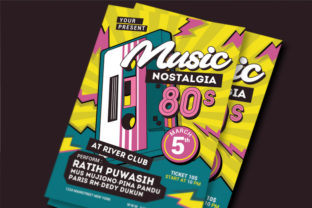
The 80s music event flyer is typically characterized by bold typography, vibrant colors, and a mix of retro elements such as neon lights, geometric shapes, and iconic album covers. These flyers often feature high-energy visuals that reflect the era’s pop culture, from synthwave aesthetics to classic rock motifs. The goal is to capture the attention of your audience while conveying all the necessary event details in a clear and engaging manner.
When designing an 80s music event flyer, it’s important to consider both the visual appeal and the functional aspects. A well-crafted flyer should not only look good but also be easy to read and understand at a glance. This means balancing creativity with clarity, ensuring that the text remains legible even when printed at smaller sizes.
Design Specifications for 80s Music Event Flyer
To ensure your 80s music event flyer is suitable for print and maintains its quality across different formats, it’s crucial to follow specific design specifications. One of the most important factors is the file format—using PSD (Photoshop Document) files is highly recommended, especially if you plan to make frequent edits or share the design with others who may need to modify it later.
The dimensions for the 80s music event flyer should be set to 8.27x11.69 inches, which is a standard size for printed flyers. This allows for ample space to include all necessary information without overcrowding the design. Additionally, including bleeds in your design ensures that the edges of the flyer are clean and professional, preventing any unwanted white borders when printed.
Resolution is another critical factor. Your flyer should be created at 300 dpi (dots per inch) to guarantee high-quality print output. Lower resolution can result in pixelation or blurry images, which can detract from the overall appearance of your flyer. Always double-check that your design meets these technical requirements before sending it to print.
Color and Typography Considerations
The color palette of an 80s music event flyer should reflect the vibrancy and energy of the decade. Neon colors like electric blue, bright red, and fluorescent yellow are popular choices, as they evoke the feel of a 1980s concert or nightclub. However, it’s important to maintain a balance between bold colors and readability. Too many bright hues can overwhelm the viewer and make the text difficult to read.
Typography plays a significant role in the effectiveness of your flyer. Using editable fonts that are free to use ensures that you can easily change the text without worrying about licensing issues. Fonts like Impact, Highway Gothic, or Rockwell are commonly used in 80s designs due to their bold and stylized appearance. It’s also a good idea to include a font style guide in your project folder so that anyone working on the flyer in the future can quickly identify and apply the correct fonts.
One of the advantages of using a well-organized layer structure in your PSD file is that it makes the design process more efficient. By separating elements such as background graphics, text layers, and images, you can easily adjust individual components without affecting the rest of the design. This is particularly useful when making last-minute changes or preparing multiple versions of the flyer for different events.
Practical Benefits of a Well-Designed Flyer
A well-designed 80s music event flyer serves several practical purposes beyond just attracting attention. First and foremost, it helps to communicate the event details clearly. This includes the date, time, location, and any additional information such as ticket prices or special guest appearances. A clean and organized layout ensures that this information is easy to find and read, even when viewed from a distance.
Secondly, a visually appealing flyer can help to build anticipation and excitement around the event. When people see a flyer that reflects the theme and atmosphere of the 1980s, they’re more likely to be interested in attending. This is especially true for events that are themed around specific genres or subcultures, such as synthwave nights or classic rock concerts.
Finally, a professionally designed flyer can serve as a marketing tool that extends beyond the event itself. Many attendees will take the flyer home with them, and it can act as a promotional item that keeps your brand or event visible long after the event has ended. This makes it an excellent investment for any organizer looking to maximize the impact of their event.
How to Use the 80s Music Event Flyer in Modern Workflows
In today’s digital age, the 80s music event flyer is still relevant and widely used. While social media platforms have become a primary means of promoting events, physical flyers continue to play an important role, especially in local communities and niche markets. The combination of online and offline promotion can create a powerful synergy that increases visibility and attendance.
One of the key advantages of using a printable 80s music event flyer is its adaptability. You can print the flyer in large quantities for distribution at local venues, or you can create a digital version that can be shared online. This flexibility allows you to reach a wider audience while maintaining a consistent brand image across all platforms.
Additionally, the ability to edit the flyer easily means that you can update the design or content as needed. Whether you’re making last-minute changes to the event details or experimenting with new color schemes, having a well-structured PSD file ensures that the design remains professional and cohesive throughout the entire process.
Conclusion
Creating an 80s music event flyer requires a balance of creativity, functionality, and technical precision. By following the right design specifications, using appropriate fonts and colors, and organizing your layers effectively, you can produce a flyer that not only looks great but also serves its intended purpose. Whether you're planning a small local gig or a large-scale concert, a well-designed flyer can make all the difference in how your event is perceived and attended.